
Training your mindset.
Posted by Jeff Moore on Mar 10th 2026
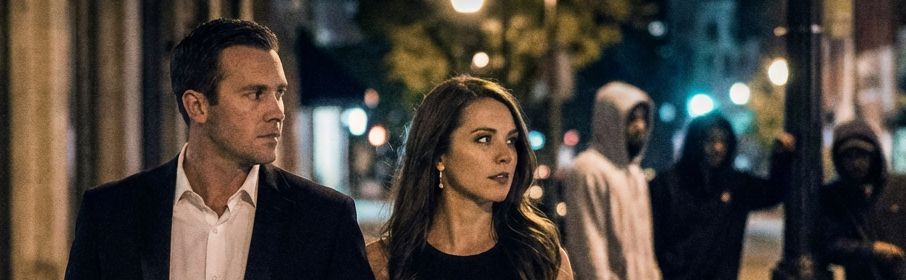
As someone who spent years protecting high-profile individuals in environments where threats were real and often unpredictable, I've seen firsthand how quickly situations can escalate. Today, with the elevated risk of terror-related incidents here in the United States, the reality is that we all need to shift from complacency to quiet preparedness. This isn't about living in fear—fear clouds judgment and makes you vulnerable. It's about staying calm, proactive, and in control of what you can control. Here are the key things I urge everyone to adopt right now:
Be aware of your surroundings at all times. Put the phone down when you're in public. Scan for exits, notice who's around you, and trust your instincts if something feels off. Simple habits like positioning yourself with your back to a wall in a restaurant or knowing the nearest cover can make all the difference.
Avoid large crowds when possible. Concerts, major events, packed malls, or festivals are higher-risk targets. If you do attend, arrive early, know multiple exit routes, and have a personal exit plan. Less exposure often means less risk.
Plan ahead for "what if" scenarios. Sit down with your family or household and establish clear meet-up locations: one close to home (like a nearby church or a specific landmark) in case you can't return home, and a secondary one farther away if the area is compromised. Another crucial layer of family preparedness is establishing an "Alert Word" or Phrase—a simple, innocuous code that you and your spouse (or any adult in the group) can drop into conversation to instantly signal a potential threat without alarming the kids or tipping off anyone nearby. This keeps things calm on the surface while conveying urgency: "Hey, remember to pick up milk on the way home?" could mean "Something's off—stay sharp and prepare to move." Choose something every day and forgettable that fits naturally into your family's life. The key is agreement in advance: decide on one (or a short list) together, test it in low-stakes practice runs so it rolls off the tongue effortlessly, and define exactly what response it triggers—quietly gather the children, head to the nearest exit, reposition for better awareness, or execute your pre-planned meet-up. This discreet communication tool empowers you to protect your family proactively, maintaining composure for the little ones while addressing real danger head-on. It's a small habit that can make a huge difference in high-stress moments.
One of the most practical pieces of advice I can give in these uncertain times is this: if you're legally able, always carry your firearm when circumstances allow. It's not about paranoia—it's about having the means to protect yourself and those you care about if the worst happens. A concealed carry setup that works for your daily life and becomes just another part of getting dressed, like grabbing your keys or wallet. Also keep in mind, a handgun with only the rounds in the chamber and magazine isn't enough for most real-world scenarios—carry at least one spare magazine, or more. Reloads happen faster than you think in high-stress situations, and malfunctions or capacity issues don't wait for convenient timing. Create habits of consistent placement that builds muscle memory so you can access them instinctively. Train regularly: draw, reload under pressure, and practice malfunction clearing. When you carry responsibly and prepared, you're not just hoping things stay safe—you're quietly ready if they don't. Also know your limits and always be aware of innocent people around you.
The more you prepare, the better — and calmer — you can respond when it matters most.